
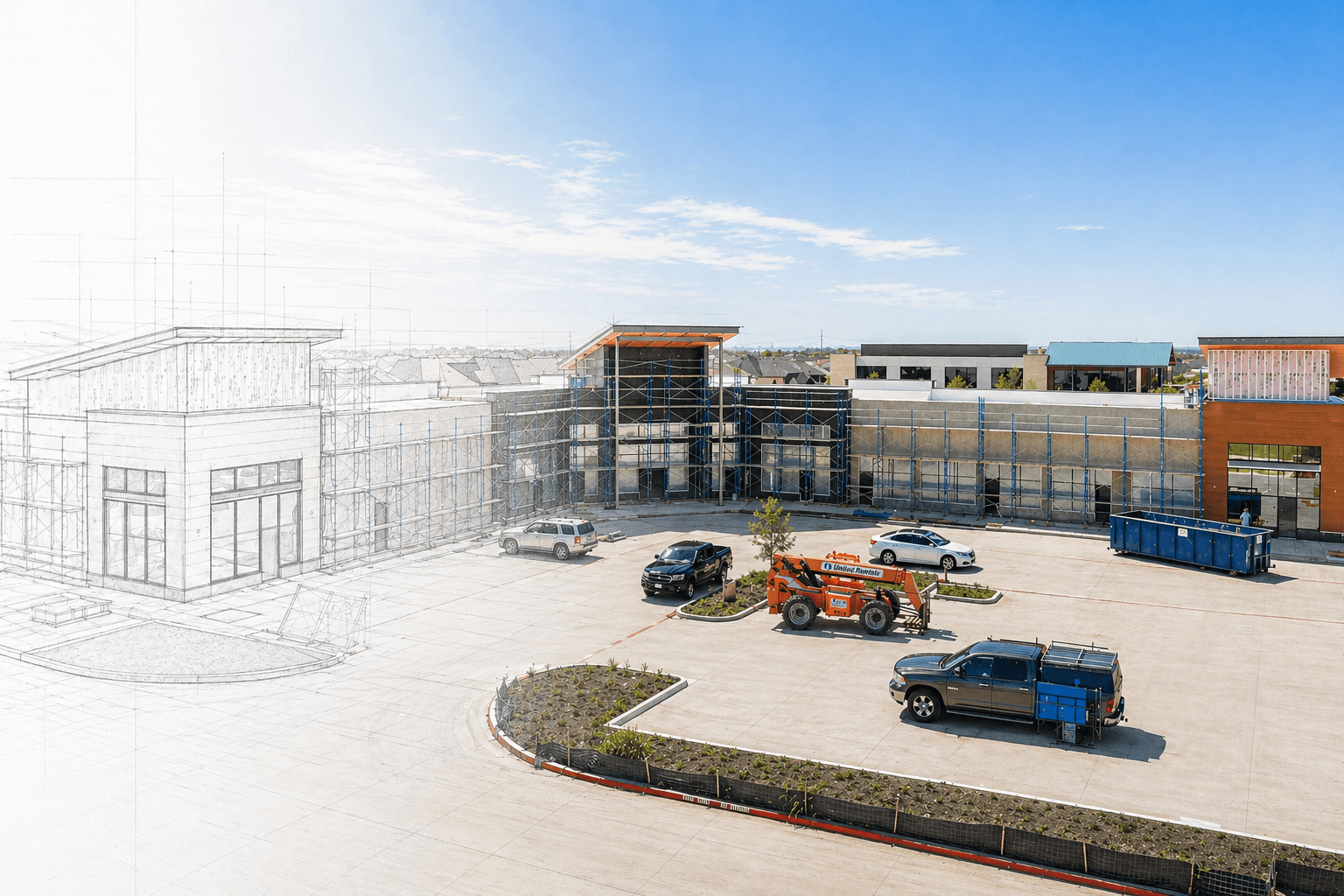

What Is Land Entitlement and Why It Matters for Projects
Learn what land entitlement is and why it matters for your construction project, including zoning approvals, permits, and reducing risks.
What Is Land Entitlement and Why It Matters for Your Construction Project
If you've ever wondered why some construction projects take years before breaking ground while others seem to start almost immediately, land entitlement is likely the answer.
Understanding this critical process can mean the difference between a profitable development and a costly nightmare that drains your budget and timeline.
Understanding Land Entitlement
Land entitlement is the legal process of obtaining the necessary rights, permits, and approvals from local government authorities to develop a parcel of land for a specific purpose.
Think of it as getting official permission to transform your vision, whether it's a residential community, commercial complex, or mixed-use development, into reality.
The process typically involves three core phases: Planning (where the property gets entitled), Engineering (when grading permits and utilities are approved), and Building and Safety (where building permits are issued).
Most conventional financiers require these approvals before advancing any funds for construction and development, making entitlement a non-negotiable step in the development journey.
Why Land Entitlement Matters for Your Project
1. It Defines What You Can Legally Build
Without proper entitlements, your project simply cannot proceed legally.
You might own the land, but ownership alone doesn't give you the right to build whatever you want on it.
Entitlement establishes the specific use, density, design parameters, and occupancy permits required before ground-up construction can begin.
2. It Directly Impacts Your Project's Financial Viability
Here's where things get interesting for your bottom line. Securing entitlements can significantly increase your land's value.
For example, agricultural land rezoned to residential use or residential land upgraded to mixed-use can see its value multiply because buyers pay premiums for development-ready properties.
One California case study demonstrated that a fully entitled plot could be worth $160,000 compared to raw land, purely based on the entitlement status.
3. It Controls Your Project Timeline and Budget
The entitlement process can take anywhere from 3-12 months for straightforward projects, but complex developments may require 6 months to 2 years, or even longer.
These timelines directly affect your carrying costs, financing expenses, and overall profitability.
Delays in approval mean escalating construction costs as materials and labor prices rise over time.
How the Land Entitlement Process Works: 5 Key Steps
Step 1: Site Plan Approval
This initial step requires submitting a detailed map showing your proposed development, including building locations, utilities, landscaping, roads, and drainage systems.
You'll also need to pass environmental checks, such as wetland, wildlife, or soil impact studies.
Step 2: Zoning and Land Use Approvals
Zoning changes represent one of the biggest value boosters in the entitlement process.
This stage determines whether your land can transition from its current designation to your intended use.
Understanding "as-of-right" zoning, what can be built without special exceptions, helps you avoid unnecessary delays and risks.
Step 3: Utility and Infrastructure Approvals
You'll need to arrange access to essential services, including water, sewer or septic systems, electricity, and road access.
This requires sign-offs from local agencies and utility companies, which can add considerable time to your timeline.
Step 4: Public Hearings and Community Input
Many projects require public meetings where neighbors can voice questions or concerns.
Since elected officials vote on final approval, public opposition, especially from organized NIMBY (Not In My Back Yard) groups, can delay, alter, or even stop a project entirely.
One notable Seattle case saw a nearly 100,000-signature petition halt a fully zoned high-rise project.
Step 5: Final Building Permits
After completing the entitlement process, you can apply for building and grading permits to start actual construction.
This final stage transitions your project from planning to execution.
4 Common Land Entitlement Challenges and Risks
- Environmental and Technical Issues: Technical and environmental impact studies may uncover unexpected problems like hazardous wind conditions, soil contamination, or wildlife habitat concerns that require mitigation.
- Political and Community Resistance: The entitlement process is "part procedure and part art" because it involves navigating political dynamics. Community opposition can be one of your biggest obstacles, particularly when influential groups mobilize against your project.
- Cost Considerations: Entitlement costs vary significantly based on project size and complexity. Smaller projects might cost a few thousand dollars, while complex developments can require tens of thousands in application fees, consultant services, environmental studies, and potentially legal expenses.
- Regulatory Complexity and Delays: Complex processing and bureaucratic red tape have become increasingly challenging for developers. Overlooked zoning violations or delays from reviewing agencies can derail even well-planned projects.
How to Navigate Land Entitlement Successfully
To navigate the entitlement process effectively, developers should hire locally experienced construction project management consultants who understand specific jurisdictional requirements.
Building detailed entitlement timelines, understanding as-of-right zoning provisions, budgeting comprehensively for all entitlement costs, and aligning project goals with municipal plans and political priorities all help mitigate risk.
Additionally, proper land entitlement provides you with a clear understanding of your property's development potential, allowing you to make informed decisions about how to maximize value.
Fully entitled land reduces risk for investors and builders because it has already passed regulatory checks, meets infrastructure requirements, and has a predictable development timeline, all factors that justify premium pricing.
Entitled Land vs Unentitled Land: Understanding the Difference
Entitled land has completed all regulatory approvals and is ready for construction, commanding premium prices in the market.
In contrast, unentitled land requires buyers to navigate the entire approval process themselves, accepting significant time and financial risks.
This fundamental difference explains why developers and investors consistently pay more for entitled properties; they're purchasing certainty and reduced risk.
Conclusion
Land entitlement transforms raw property into development-ready assets.
While the process demands time, money, and patience, it's the essential bridge between your construction vision and breaking ground.
Projects that skip or rush through entitlement face costly delays, legal battles, and potential cancellations.
However, those who approach it strategically unlock significant value increases, secure financing more easily, and create a clear path to construction success.
Whether you're developing your first project or your fiftieth, understanding land entitlement isn't optional; it's the foundation of every successful construction venture.
Disclaimer: This article is provided for general educational and informational purposes only and does not constitute professional, legal, financial, or engineering advice. While TX Sparks Construction makes every effort to keep this content accurate and current, we make no warranties as to its completeness, accuracy, or reliability. Construction codes, regulations, and requirements vary by location and project and are subject to change. Any action you take based on this information is strictly at your own risk. For guidance specific to your project, please consult a qualified professional or contact our team directly.